3 Park Avenue Building

3 Park Avenue Building
  1. About the 3 Park Avenue Building in New York
  2. Architect and team
  3. Architectural style
  4. Spaces and uses
  5. Structure and materials

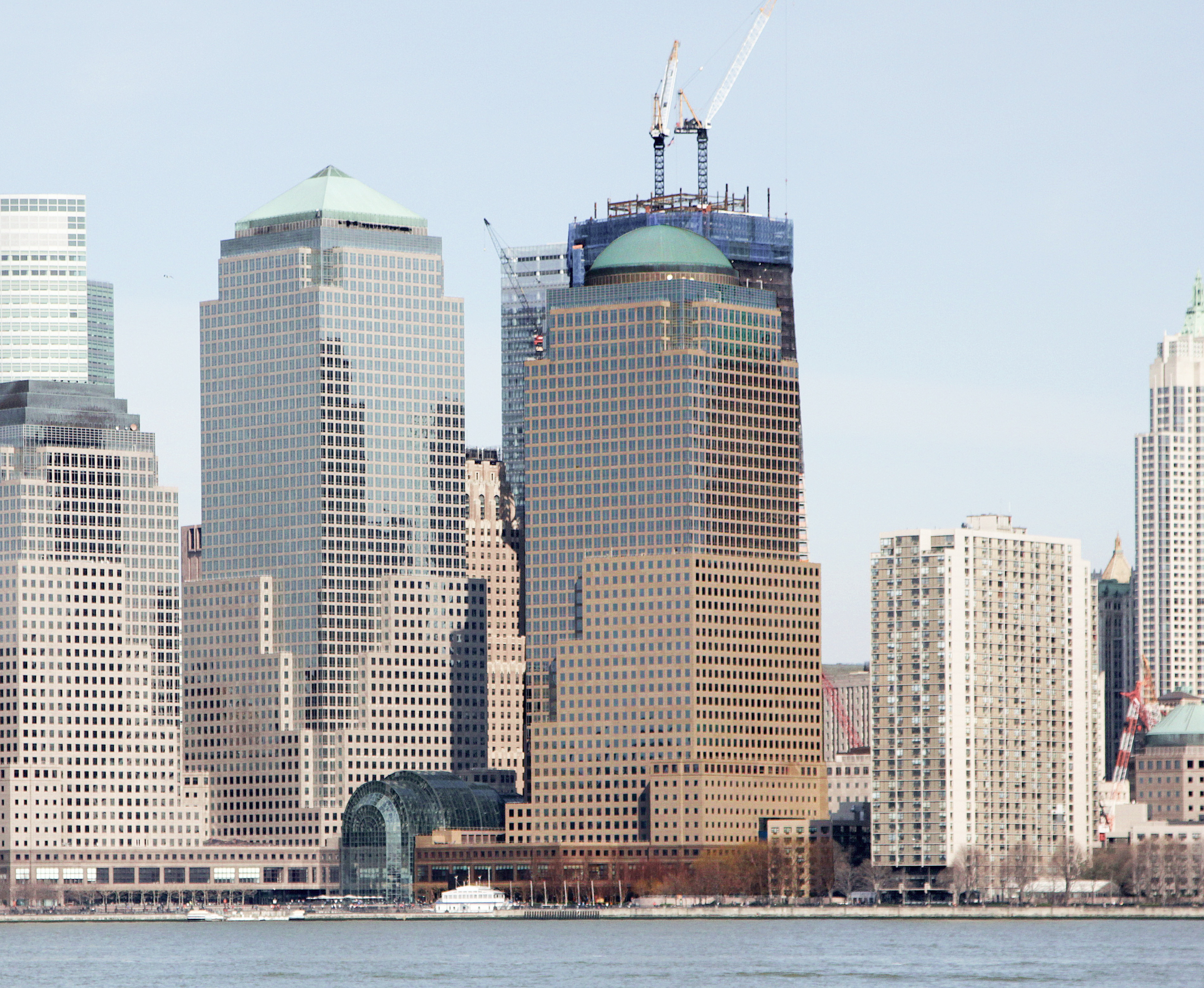
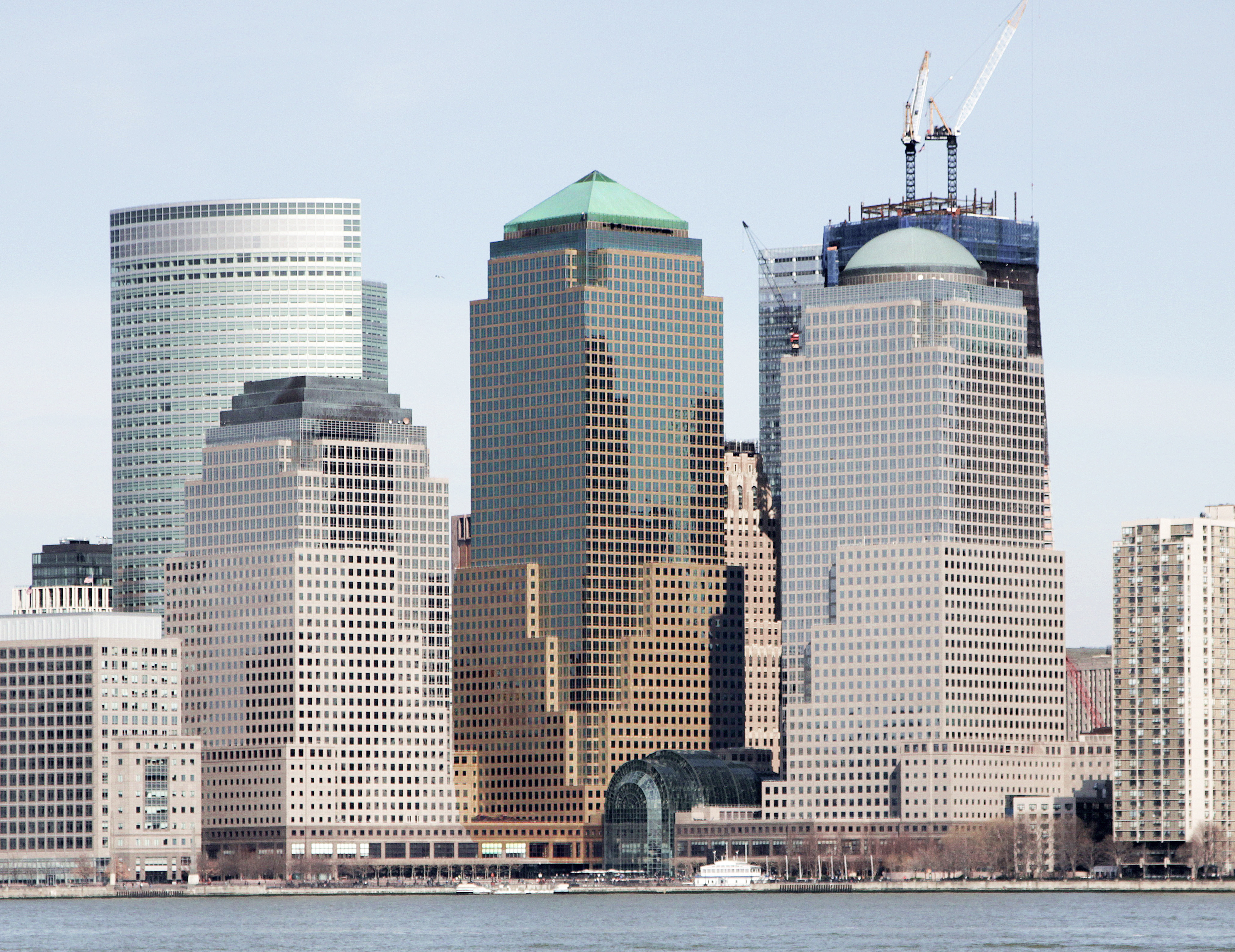
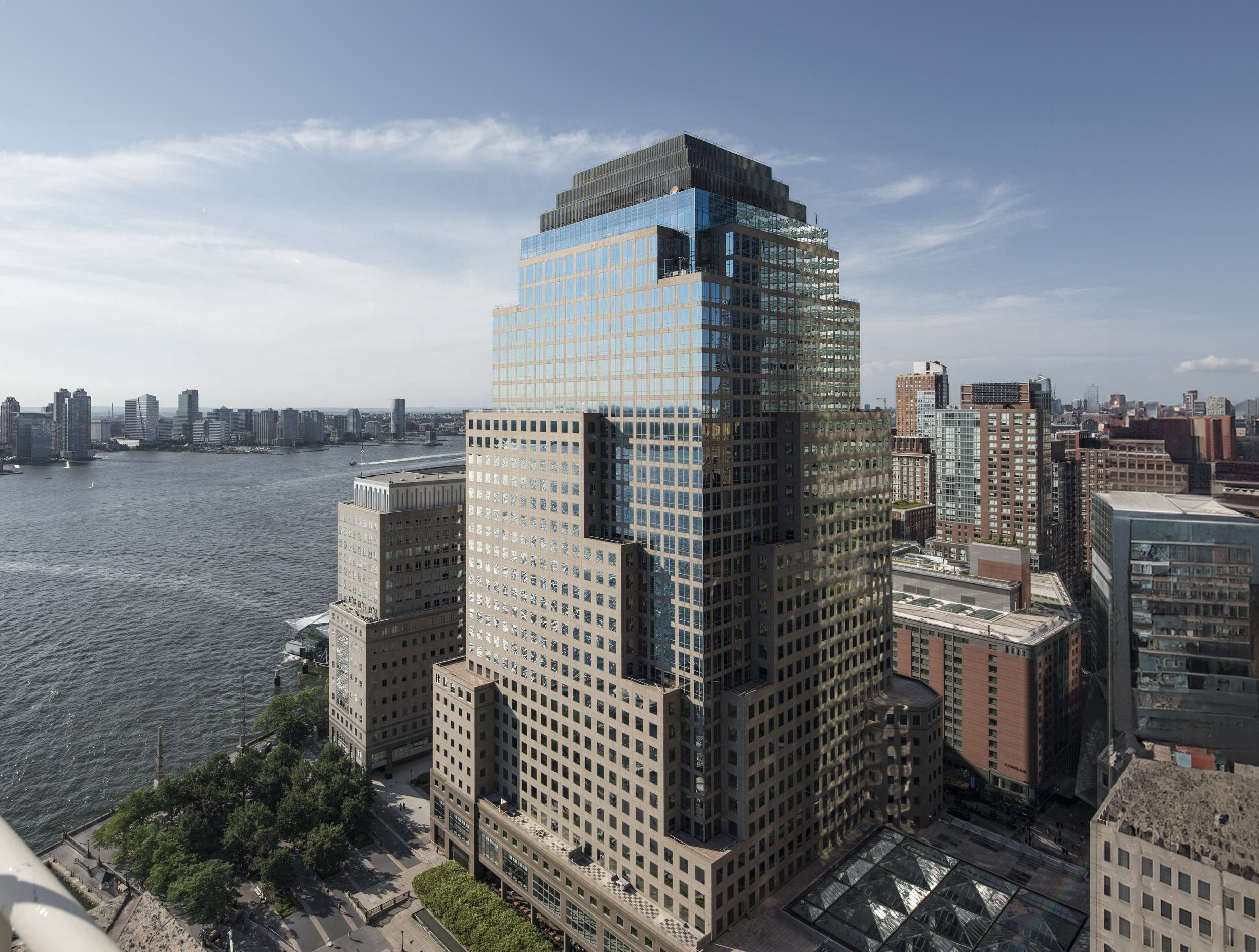
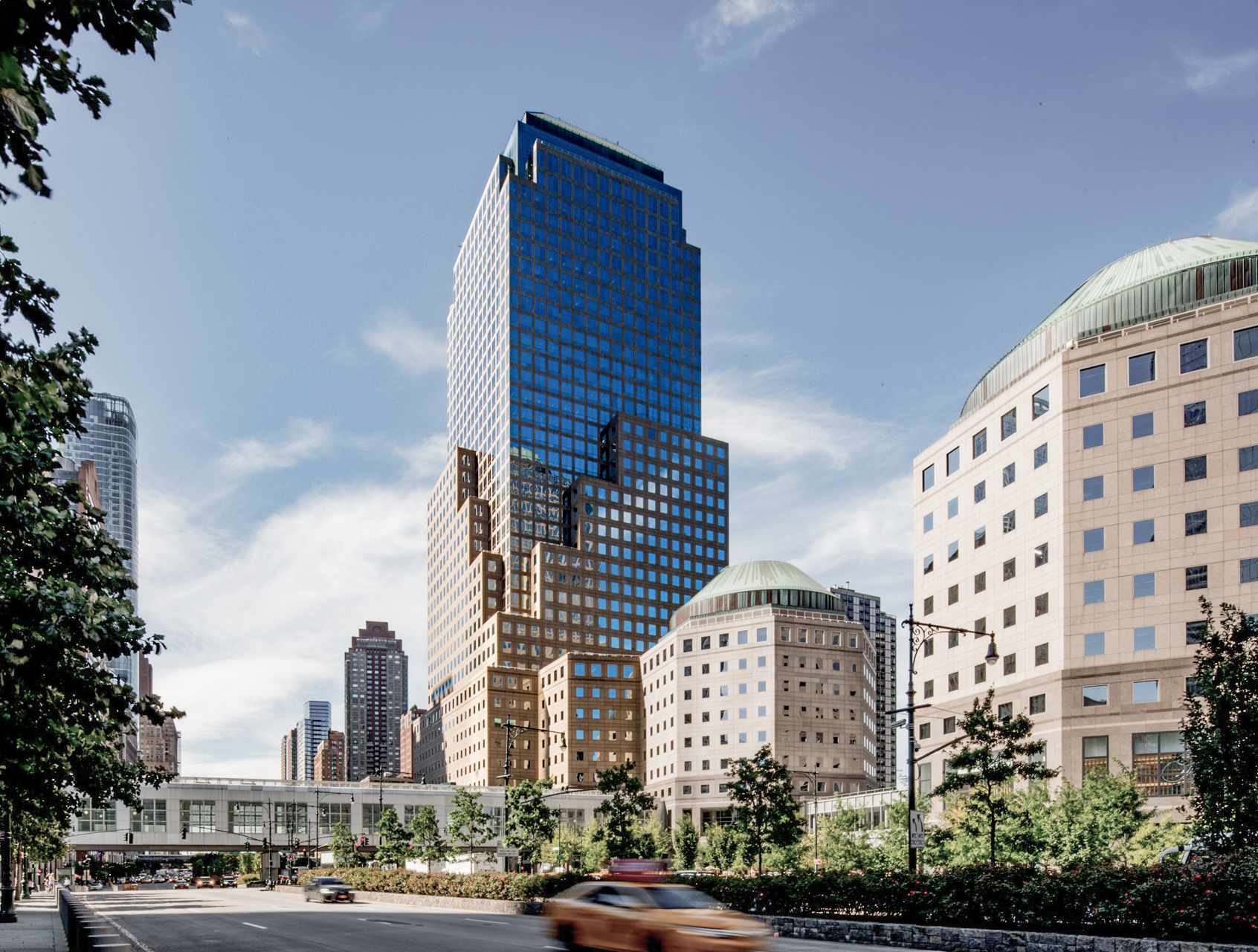
The 3 Park Avenue Building is a Postmodernist skyscraper designed by Shreve, Lamb and Harmon, and built in 1975 in New York, NY.

3 Park Avenue Building is not the only name you might know this building by though. The building is, or has also been known as Norman Thomas High School And Office Building.

Its precise street address is 3 Park Avenue, New York, NY. You can also find it on the map here.

The building underwent a major restoration in 2016. The architect commissioned to undertake this restoration was Pelli Clarke Pelli Architects, and AREA Architects.
Building's timeline

Construction completed
1975
50
a
Restoration
2016
9
years ago
2025
  1. 2016 - Renovation of the lobby, hallways, and common areas, and modernization of the mechanical infrastructure, Replacement of canopies, flooring, columns, and improvements to the exterior plaza. . The architect in charge was Pelli Clarke Pelli Architects, and AREA Architects.
Architect and team

Shreve, Lamb and Harmon was the architecture firm in charge of the architectural design.

That being said, architecture is a complex discipline involving many professionals from different fields, without whom this building would have not been possible. We will surely be leaving out a lot of names here, but here is a list of the people we do know also played their part in making the 3 Park Avenue Building a reality:

  • Rosenwasser/Grossman Consulting Engineers in charge of Structural Engineering
  • Irving Marantz as the collaborating Artist

Architectural Style

The 3 Park Avenue Building can be categorized as a Postmodernist building.

Postmodernism in architecture emerged in the United States during the late 1960s as a reaction against the starkness of the International Style, which part of the new generation of architects argued was too impersonal, sterile, and disconnected from historical and cultural contexts.

Postmodernism challenged the International Style's austerity by reintroducing historical elements and ornamentation, although this time not as literally as in the Neo-Classic buildings. Instead, they reinterpreted them within the context of modern materials and construction techniques.

Postmodern buildings often feature bold, contrasting colors, unconventional forms, and a playful blend of various architectural elements from different eras and cultures.

In the United States, Postmodernism was not just an aesthetic choice but also a philosophical stance. It represented a democratization of design, where architects sought to create buildings that were accessible and meaningful to a broader range of people, not just designers and intellectuals.

The 3 Park Avenue Building was completed in 1975. At that time Postmodernism was the prevailing style. Fresh, bold and daring, architects were exploring the freedom of designing without having to follow the strict, sometimes arbitrary rules of a specific architectural movement (which ironically became a movement itself). The 3 Park Avenue Building was therefore every much in line with what the architecture community, and the people liked and wanted at the time.

Spaces & Uses

The 3 Park Avenue Building reaches an architectural height of 554ft (169m). It has a total of 42 floors, served by 12 elevators.

Ever since opening its doors to the public in 1975, the 3 Park Avenue Building has mainly been used as Commercial space, with other complementary uses such as education space.

In addition to office spaces, the building houses several specialized educational centers, including the Unity Center for Urban Technologies, the Manhattan Academy for Arts and Language, the Success Academy High School for the Liberal Arts, and the Murray Hill Academy.

The building is aligned diagonally, rotated 45° on the city's grid.

554ft (169m)

Materials & Structure

The 3 Park Avenue Building uses a frame structure made of reinforced concrete columns and beams.

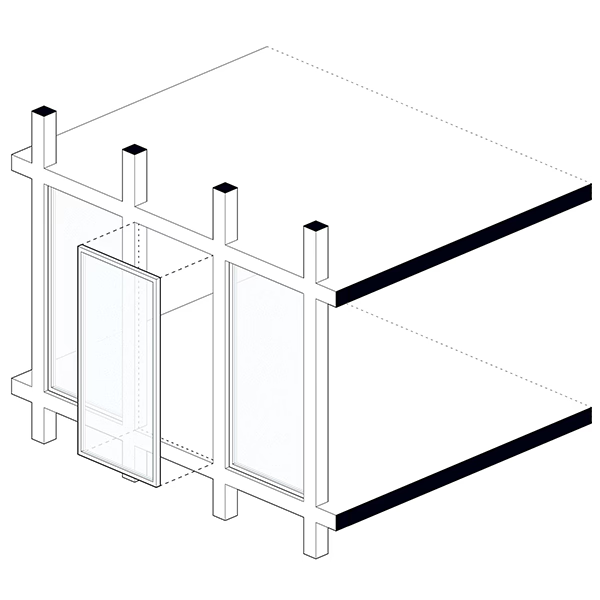
A frame structure uses a combination of beams and columns to sustain the building's weight. The walls in this case are non-load bearing, which allows for more flexibility when distributing the interior spaces.

The facade uses a window wall system, which by itself is non-load-bearing. However, in this case, the facade is technically load-bearing, since there are structural elements that have been integrated into it, adirectly influencing the facade’s design.

Window walls are easier to install than curtain walls, often resulting in reduced construction time and cost. However, the exposed edge of the slabs, and in this case other structura elements too, are weak points in terms of thermal insulation. These areas need to be carefully detailed to prevent thermal bridging and potential condensation issues.

Structural Window Wall Facade

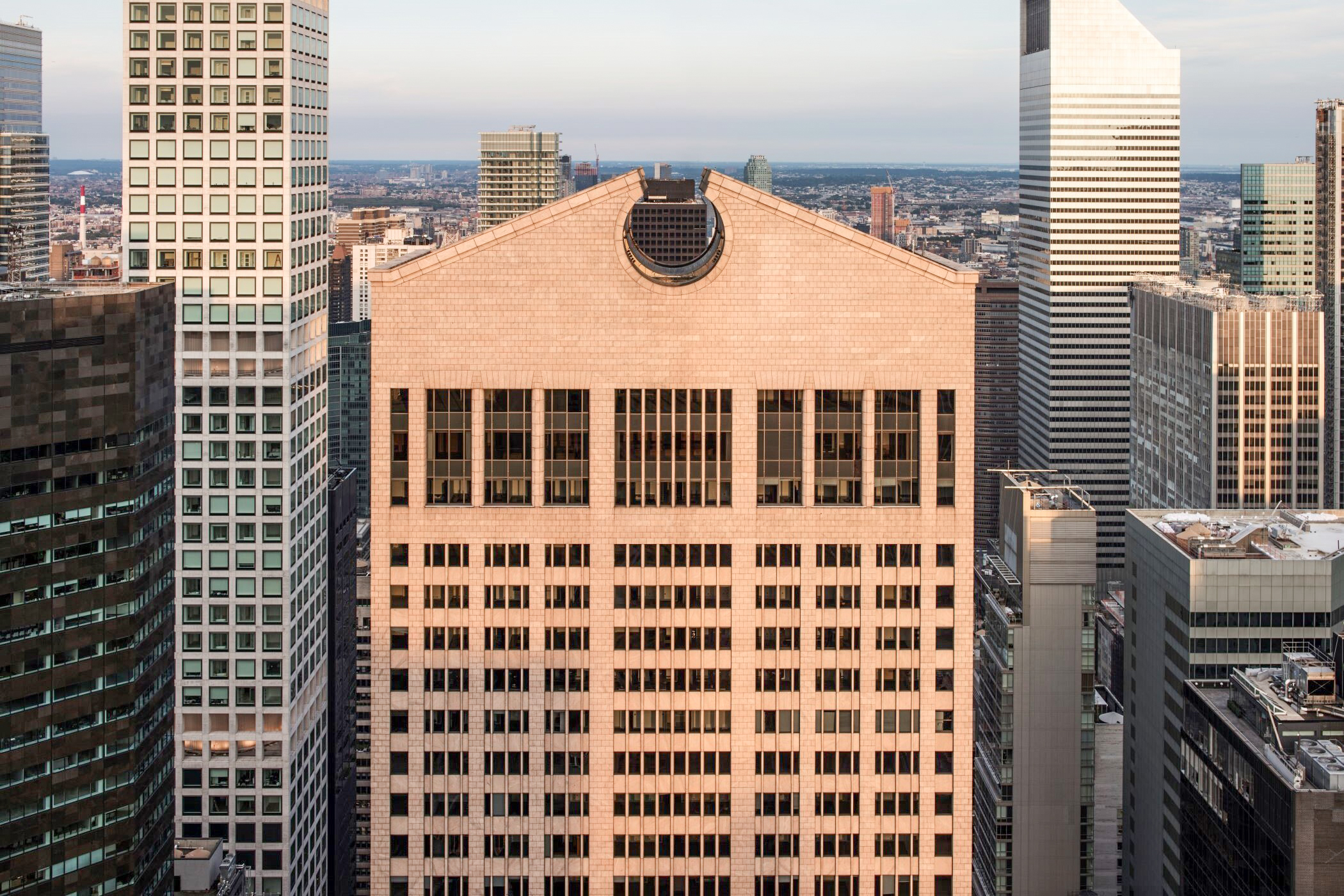
From an aesthetic point of view, the facade features light orange-colored bricks combined with dark-tinted windows.

After the double-height entrance, the building becomes fully opaque, clad in bricks, for a number of floors, before transitioning to the floor-to-ceiling windows organized in 3 bays on each facade. These bays are defined by structural pillars that protrude from the facade, also clad in brick.

At ground level, the building is clad with red granite panels, framing the three large canopies at the main entrance.

Sources

  • en.wikipedia.org
  • newyorkyimby.com
  • web.archive.org
  • www.metro-manhattan.com
  • structurae.net
  • s3.amazonaws.com
  • www.cohenbrothersrealty.com